The Safest Way to Load a Dumpster Without Overfilling It
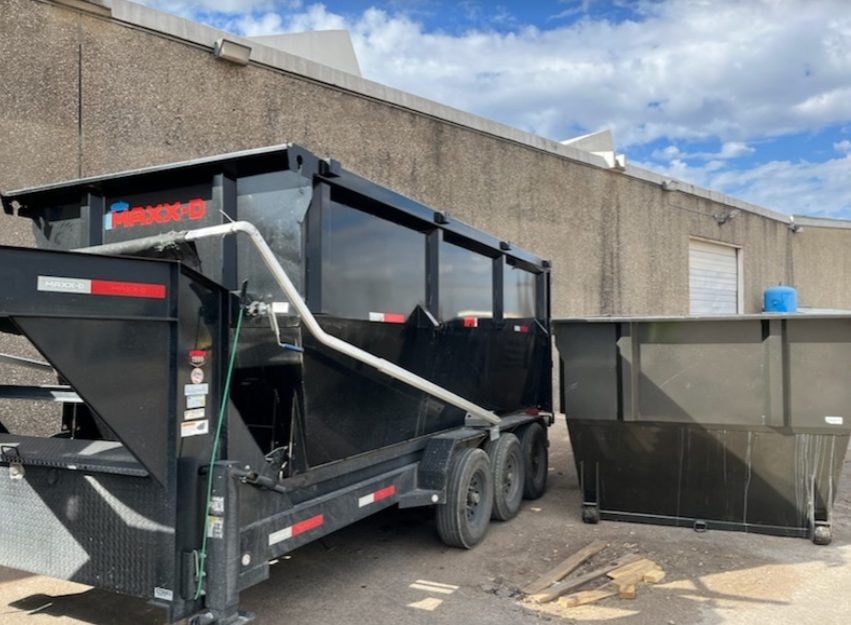
Handling significant waste during remodeling, cleanup, or home decluttering can be challenging. Incorrect loading practices may result in injuries, overflowing dumpsters, and extra stress. Following proper dumpster loading techniques promotes safety and efficiency on the job site. Proper planning, organization, and attention to weight distribution make all the difference. In Dallas, TX, correctly loading a dumpster helps maintain safety and workflow.
Filling a dumpster beyond capacity can lead to accidents, penalties, and rejected pickups. Adhering to proper loading methods ensures stability and prevents shifting during transit. Organized loading supports smoother workflow and safer surroundings. By adopting proven loading strategies, homeowners and contractors can save time and minimize the stress often associated with large cleanup projects.
How to Plan Your Dumpster Loading
Before loading a single item, it’s important to have a clear plan for how debris will be organized. Categorizing debris ensures heavier pieces do not damage lighter materials. Create sections for wood, metal, and miscellaneous items. Strategic planning optimizes dumpster use and avoids overloading. Careful planning enhances both efficiency and on-site safety.
The order of loading is equally important. Start with big, flat objects at the bottom to stabilize the load. Heavier materials should occupy the lower layers, while lighter debris is added toward the top. This structured approach prevents shifting during transport and maintains stability. Proper sequencing supports both safety and efficient removal of debris.
Breaking Down Bulky Items
Oversized debris can quickly fill a dumpster if not broken down. Disassembling bulky items helps maximize available space. Flattening or breaking apart items like furniture or mattresses helps fit more inside. Using proper tools ensures safe and effective size reduction. Reducing the size of bulky materials ensures more items fit in the dumpster without exceeding here its limits.
Handling smaller portions decreases the chance of strain or accidents. Lifting heavy, unbroken materials increases the risk of mishaps. By methodically breaking down these objects, workers can maintain safe lifting practices and improve overall efficiency. Managing oversized debris correctly improves overall site safety and efficiency.
How to Layer and Balance Weight in a Dumpster
Stacking items correctly and managing weight is key to safety. Starting with a stable base of heavy, flat materials provides support for subsequent layers. Stack softer, lighter items last to maintain balance. This technique prevents crushing and shifting, which can compromise safety during transport. Careful layering helps make the most of available space while keeping the dumpster organized and manageable.
Weight distribution is particularly important when combining different types of debris. Uneven weight can make the dumpster unstable. Keeping similar materials together and distributing weight evenly prevents hazards. Dumpster Supply advises customers on achieving this balance, helping reduce the risk of accidents and ensuring a smooth pickup process.
Tips for Efficiently Filling a Dumpster
Properly using a dumpster involves planning and careful placement of debris. Strategically arranging small items, compressing soft materials, and breaking down boxes increases usable space. Organized layering allows the dumpster to hold more while reducing extra trips. Organizing items carefully prevents shifting and potential hazards. Using space wisely minimizes risk and makes cleanup more effective.
Always follow the height and weight restrictions for safe disposal. Exceeding capacity or placing weight unevenly may lead to rejected pickups or delays. Our team provides guidance to help customers make the most of their rental, ensuring each load is safe, balanced, and compliant with waste management regulations in Dallas, TX. By following these strategies, every project can progress efficiently and securely.
Safety Tips for Dumpster Loading
Safety should always be the top priority while loading a dumpster. Proper lifting techniques prevent strain and injury, while protective equipment like gloves, boots, and eyewear guards against accidents. Clearing the surrounding space prevents tripping hazards and supports efficient loading. Monitoring the site and using precautions leads to safer and more efficient operations. Implementing proper procedures protects workers and minimizes the chance of costly mistakes.
Keeping an eye on how debris is stacked is critical. Prevent items from extending past the dumpster rim to reduce risk of falling. Adjust weight placement as needed to maintain stability. Dumpster Supply offers expert tips on safe handling and balanced loading for every project.
Expert Dumpster Loading for Your Projects
Following correct planning and loading methods equips workers to complete projects safely. As a company dedicated to providing dumpster rental solutions, we help clients implement these practices successfully. Using proper loading and stacking methods keeps debris contained and workspaces clear. Following these guidelines helps projects stay on track and ensures professional-level results.
By following proper loading techniques and adhering to safety measures, residents and contractors can optimize every dumpster rental. Dumpster Supply offers the expertise needed to guide customers through each step, from planning and preparation to safe loading and pickup. Following expert guidance guarantees smooth project progression and proper debris management in Dallas, TX.